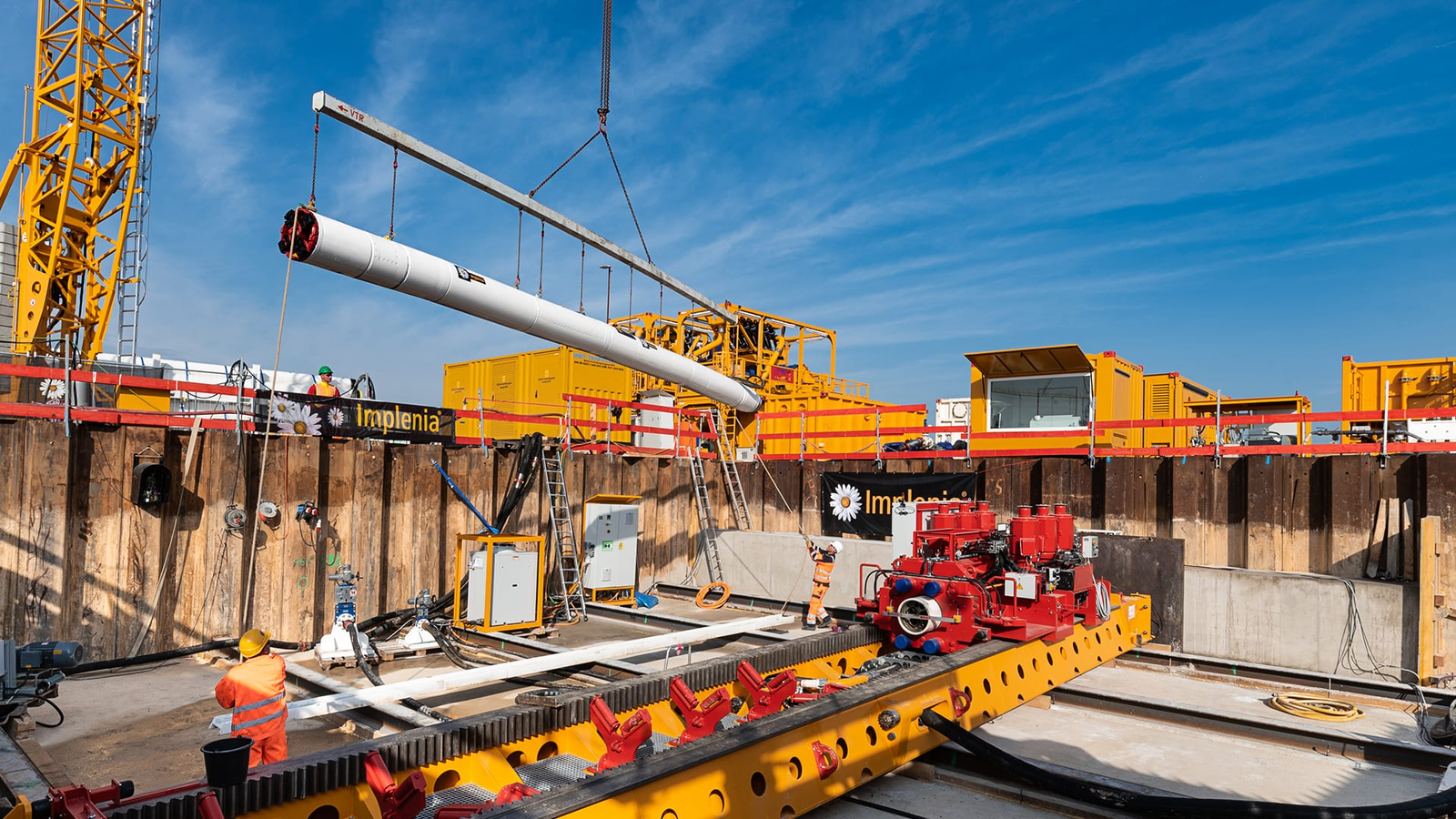
The Cable Installation market is a crucial component of the global electricity, communication, and infrastructure sectors. It involves laying power cables and fiber optic communication cables underground, underwater, overhead, or inside buildings to construct and maintain modern energy transmission networks and digital communication backbones. Driven by the global energy transition, accelerated digitalization, and the deployment of 5G networks, the cable installation market is experiencing significant expansion and technological innovation.
📈 Market Size and Growth Forecast
The global cable installation market maintains steady growth, fueled by strong demand from both the energy and communication sectors.
Market Size: The global cable installation market has a massive valuation, reaching tens of billions of US dollars, and is highly correlated with infrastructure spending.
Growth Forecast: The market is projected to sustain a robust Compound Annual Growth Rate (CAGR). This is mainly attributed to continuous government investments in renewable energy integration, smart grid construction, and submarine communication cable projects.
Regional Distribution:
The Asia-Pacific region continues to dominate the market, particularly in countries like China and India, which are undertaking large-scale transmission infrastructure upgrades and fiber optic network expansions.
The North American and European markets are primarily driven by grid modernization, the replacement of aging cables, and the connection needs of offshore wind projects.
The Middle East and Africa region shows significant growth potential due to large-scale energy projects and transnational communication cable laying initiatives.
Core Market Drivers
The growth of the cable installation market is mainly driven by several key factors:
- Global Energy Transition and Renewable Energy Integration
To meet climate goals, countries are heavily investing in wind energy (both onshore and offshore) and solar power. These renewable energy facilities require new High-Voltage Transmission Cables to integrate power into the existing grid. Submarine cables, in particular, are essential for connecting offshore wind farms. - Expansion of 5G and Fiber Optic Networks
Global demand for faster, more reliable data connectivity is driving the massive deployment of Fiber-to-the-Home (FTTH/FTTP) and 5G backhaul networks. This necessitates the laying of vast amounts of fiber optic cables, particularly using techniques like underground ducting and micro-trenching. - Grid Modernization and Upgrades
Aging power infrastructure needs to be upgraded to Smart Grids to improve power supply reliability and efficiency. This involves replacing old overhead and underground cables, as well as installing new sensor and monitoring system cables.
Major Market Trends
Current major trends in the cable installation market focus on improving efficiency, safety, and environmental adaptability:
Automation and Mechanization: The introduction of automated cable laying equipment and advanced pulling systems helps reduce manual labor, increase installation speed and precision, especially in long-distance and complex terrain construction.
Deepening and Complexities of Submarine Cables: Driven by the exponential growth of internet data traffic, the demand for laying transoceanic submarine optical cables continues to rise. Simultaneously, deep-sea cable laying techniques are becoming more specialized and complex to connect deep-water wind farms and remote oil/gas platforms.
Eco-friendly and Sustainable Technologies: The market increasingly favors the use of environmentally friendly cable materials (such as Low Smoke Halogen-Free/LSZH materials) and installation methods that minimize environmental impact, such as Directional Drilling and micro-trenching.
Demand for High-Voltage Direct Current (HVDC) Technology: For long-distance, high-capacity transmission, especially underwater and underground, HVDC cables are widely adopted due to their low transmission losses and high capacity, driving the demand for specialized installation services.
Challenges and Constraints
Despite the positive market outlook, the cable installation industry faces several challenges:
Project Complexity and High Initial Investment: Especially for submarine cable and high-voltage transmission projects, initial investment is significant, involving complex routing planning, environmental assessments, and expensive specialized laying vessels or equipment.
Regulatory and Routing Obstacles: In urban areas, obtaining right-of-way and permits for underground cable laying is often time-consuming and complex. Transnational or trans-oceanic projects require compliance with multiple national regulations and intricate maritime environmental laws.
Shortage of Skilled Technicians: Cable installation, particularly specialized tasks like submarine cable jointing and high-voltage termination, requires highly specialized skills. The shortage of skilled labor remains a critical constraint on industry growth.
Raw Material Price Volatility: Price fluctuations of cable raw materials such as copper, aluminum, and polymers pose continuous pressure on project cost control and contractor profitability.
Conclusion
The global cable installation market is strongly propelled by the upgrading of both energy and communication infrastructures. In the future, the market will continue to advance towards automation, specialization, and sustainability. Companies capable of offering innovative, highly efficient installation technologies and specialized submarine/HVDC services will gain a significant advantage amidst the global wave of infrastructure and energy transition.