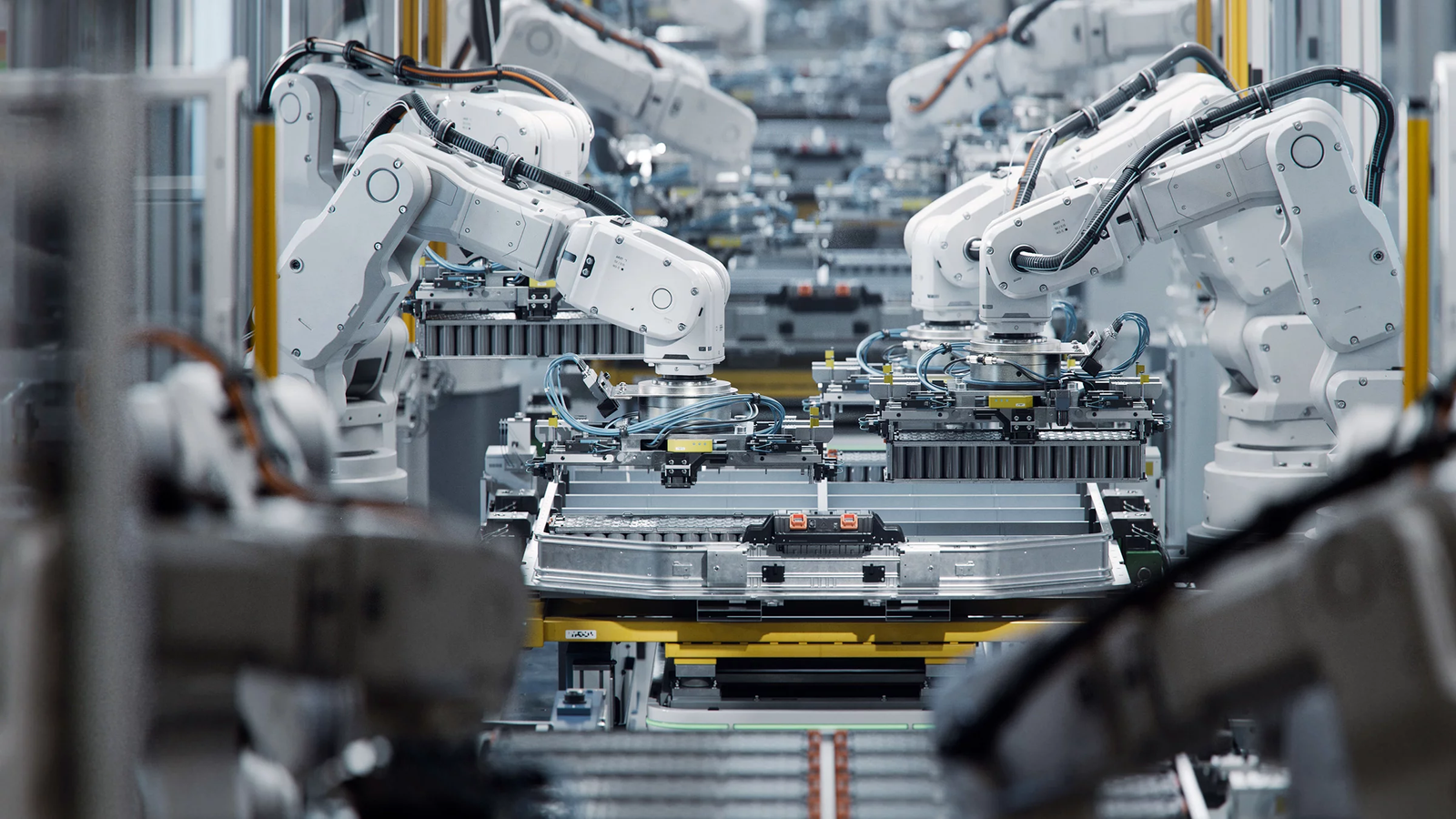
The Automated Machinery Installation market focuses on the deployment and integration of automated equipment and systems used across various sectors, including manufacturing, logistics, warehousing, and robotics. It covers the planning, positioning, connection, and commissioning of everything from industrial robots and automated production lines to complex assembly systems. Driven by Industry 4.0 initiatives, rising labor costs, and increasing demands for production efficiency and precision globally, the Automated Machinery Installation market is undergoing structural change and rapid growth.
📈 Market Size and Growth Forecast
The global Automated Machinery Installation market is a crucial component of industrial capital expenditure and shows strong expansion potential.
Market Size: The market value for automated machinery installation is closely linked to the global industrial automation market, with its annual size reaching tens of billions of U.S. dollars.
Growth Forecast: The market is expected to maintain a high Compound Annual Growth Rate (CAGR). Most forecasts indicate sustained growth at an annual rate of approximately 8% to 10%, primarily driven by the manufacturing sector’s transition to smart factories and the accelerated development of new industries (such as electric vehicles and advanced semiconductors).
Regional Distribution:
The Asia-Pacific region is the largest market, particularly China, South Korea, and Japan, which possess vast automotive, electronics manufacturing, and semiconductor industries, generating massive demand for industrial robot and automated production line installation.
The North American and European markets are mainly driven by replacement of legacy systems and technological upgrades, focusing on the integration of high-precision, highly flexible automation systems to address labor shortages.
Emerging markets, such such as Southeast Asia and Latin America, are in the initial stages of automation adoption and are projected to be fast-tracks for future growth.
Core Market Drivers
The growth of the Automated Machinery Installation market is mainly driven by several key factors:
- Industry 4.0 and Smart Factory Transformation
Global manufacturing is shifting from traditional mechanization to digitalization and intelligence. Companies are investing in automated systems that can communicate, self-optimize, and allow for remote monitoring, directly boosting the demand for the installation of new, complex automated machinery. - Rising Labor Costs and Shortage Issues
In developed nations and some developing countries, escalating labor costs and shortages of skilled workers are compelling businesses to seek automation solutions to replace human labor, especially in repetitive, high-intensity, or hazardous work environments. - Demand for High Precision and Quality Control
In high-tech sectors like EV batteries, semiconductor manufacturing, and biotechnology, products require extremely high precision and consistency. This can only be achieved through the precise installation and calibration of high-accuracy automated machinery, such as collaborative robots and machine vision systems.
Major Market Trends
Current major trends in the Automated Machinery Installation market focus on improving integration efficiency, flexibility, and safety:
Popularity of Collaborative Robots (Cobots): Cobots are increasingly favored in SMEs and human-robot collaborative settings due to their ease of programming, flexible deployment, and reduced need for extensive safety guarding, which simplifies the installation and integration process.
Modular and Flexible Production Lines: Customer demand is shifting towards modular, reconfigurable automation systems. Installation services are becoming less about a fixed, one-time setup and more focused on rapid deployment, reconfiguration, and upgrades to accommodate shorter product lifecycles and high-mix, low-volume production models.
Virtual Commissioning and Digital Twins: Utilizing Digital Twin technology to perform virtual commissioning of the entire automated system before physical installation. This significantly reduces on-site installation time and errors, improving the success rate of the first-time setup.
Plug-and-Produce Standardization: The industry is pushing for the adoption of standardized interfaces and protocols to enable different vendor automation modules to achieve “Plug-and-Produce” rapid connection and integration, substantially cutting down installation and downtime.
Challenges and Constraints
Despite significant market potential, the Automated Machinery Installation industry faces several challenges:
System Complexity and Integration Challenges: The complexity of automated systems is growing, particularly when integrating multiple brands and technologies (e.g., mechanical, vision, software), requiring installation engineers to possess highly specialized and interdisciplinary knowledge.
Cybersecurity Risks: As automated machinery becomes more networked, the systems face increased risk of cyberattacks during installation and operation, necessitating professional cybersecurity integration services.
High Upfront Costs: The initial capital investment for automated equipment itself and professional installation services is substantial, posing a barrier to entry for Small and Medium Enterprises (SMEs).
Major Shortage of Technical Talent: Market demand for professional integrators and technicians capable of installing, programming, and maintaining advanced automation systems far exceeds supply. Talent shortage is a critical bottleneck constraining rapid market expansion.
Conclusion
The global Automated Machinery Installation market is a key driver of manufacturing upgrades and efficiency improvements worldwide. In the future, the market will continue to evolve towards faster, more flexible deployment models, with digitalization, modularity, and collaboration at its core. Companies that can provide high-level system integration capabilities, leverage virtual commissioning technology, and focus on the rapid deployment of collaborative automation solutions will dominate the construction of future smart factories.